
"tap water brewing"
300 article(s) found
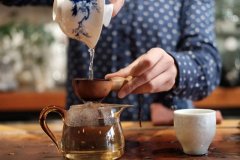
What kind of water should be used to brew Phoenix Dancong tea? Can soft water be used to make oolong tea?
Tea experts knew the importance of water quality when brewing coffee long before Caldy's imaginary goat tasted coffee for the first time. Lu Yu, an eighth-century tea master, loved springs. In his book the Book of Tea, he wrote: the best springs flow slowly on the stone pools on the primitive hillside. The use of suitable water to make tea is considered as

Coffee excipients
water. Water can be divided into soft water and hard water. General mineral water is hard water containing sodium, manganese, calcium, magnesium and so on. The taste of coffee is greatly reduced because hard water releases caffeine and tannins. Ordinary tap water can be used as soft water, but the first tap water in the morning, the water taken the day before and the second boiled water should be avoided as far as possible. If you use a water purifier or install

Coffee Accessories for Italian Coffee
Water. Water can be divided into soft water and hard water, general mineral water is hard water containing sodium, manganese, calcium, magnesium and so on. Hard water releases caffeine and tannins, which greatly reduces the taste of coffee. Ordinary tap water can be used as soft water, but the first tap water in the morning, the water taken and discharged the day before, and the second boiled water should be avoided as much as possible. If using water purifier or equipped with

How many times can Zhengshan black tea be brewed? How many grams of black tea should I put in for two?
If you brew Zhengshan race black tea, when it comes to the water around you, I recommend mineral water or mountain spring water. If you are using tap water, boil the water for 3 to 5 minutes to remove chlorine for disinfection. However, even if it boils, the chlorine can not be completely removed. Whenever possible, use a water purifier with an activated carbon filter to remove water.
Italian Coffee basic knowledge Coffee Additives
water. Water can be divided into soft water and hard water. General mineral water is hard water containing sodium, manganese, calcium, magnesium and so on. The taste of coffee is greatly reduced because hard water releases caffeine and tannins. Ordinary tap water can be used as soft water, but the first tap water in the morning, the water taken the day before and the second boiled water should be avoided as far as possible. If you use a water purifier or install

What are the ingredients for fancy coffee?
water. Water can be divided into soft water and hard water. General mineral water is hard water containing sodium, manganese, calcium, magnesium and so on. The taste of coffee is greatly reduced because hard water releases caffeine and tannins. Ordinary tap water can be used as soft water, but the first tap water in the morning, the water taken the day before and the second boiled water should be avoided as far as possible. If you use a water purifier or install
How to make coffee by hand? what kind of water and quality do you use to make coffee by hand?
Professional coffee knowledge exchange more information about coffee beans Please follow the coffee workshop (Wechat official account cafe_style) water, which is an indispensable element of a good cup of coffee. The purpose of this article is not to discuss which kind of water is most suitable for hand-brewed coffee, but to explore the effect of the type of water on the change of coffee taste. . water has two kinds of good drinking water: hard water and soft water, which is not equal to

Would you like water or coffee first to make coffee? How much water do you use for pure coffee? How much do you use for fine coffee?
Professional coffee knowledge exchange more coffee bean information please follow the coffee workshop (Wechat official account cafe_style) to make coffee first or coffee? How much water do you use for pure coffee? How many degrees of water is used to brew fine coffee? Many methods or data for brewing coffee can be adjusted according to each person's preference, experience and taste, but there is still a way to make coffee.
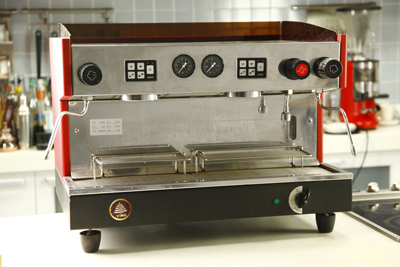
Semi-automatic espresso machine professional operation introduction how to correctly operate espresso machine
Semi-automatic coffee machine, commonly known as the lifting machine, is a traditional Italian coffee machine. The machine grinds, presses, loads, brews and removes residues manually. These machines range from small single-tap household machines to large two-tap, three-tap commercial machines. Newer machines are equipped with electronic water controls that accurately and automatically control the amount of coffee brewed. semi-automatic

What is the channel effect? Why is there a channel effect? How to avoid the channel effect
Time to do concentration, obviously the parameters are all right, but is to make a very strange cup of coffee, but also sharp and light to drink, knock down a look pressed powder there is a hole, this is very amazing! Why is there a hole in pressed powder? Does this hole have anything to do with the concentrated taste? Channel effect the reason why there is a hole in pressed powder is
Coffee Basics Siphon Coffee Brewing Notes
◆ The water in the lower pot is preferably hot boiled water, which can save boiling time; ◆ Pay attention to the water quality, do not use mineral water, use soft water (tap water); ◆ The lower pot must be dried with a dry towel, and there must be no water drops; ◆ The spring under the middle filter should be tightened, and the hook should be hooked, and it should be moved to the lower center; ◆ The temperature should be 80-90 degrees Celsius, and the pot should be inserted downwards tightly; ◆ The coffee cup should be warm.

How to extract a good Espresso Italian concentrate? What are the key factors that affect it?
Have you found that it's easy to make coffee, but it's hard to get a cup of coffee that everyone praises, and it's even more difficult to extract a good cup of Espresso. There is a saying that details determine success or failure, and the key to extracting a good Espresso is also the details, which is also the most important thing about becoming a barista. Several key steps of extraction Espresso Italian concentration E
Matters needing attention in siphon coffee brewing
The water in the ☆ pot is preferably hot boiled water, which can save boiling time; ☆ pay attention to the water quality, do not use mineral water, use soft water (tap water); ☆ pot must be dried with a dry towel, there can be no water droplets; the spring under the middle filter net of ☆ should be tightened, the hook should be hooked and set to the lower center; the temperature of ☆ should be 80-90 degrees Celsius, and the pot should be inserted tightly when inserting the pot; ☆ coffee cup should be warm cup.
Coffee brewing method
Choose your favorite coffee brewing method: the coffee pot has siphon pot, drip filter pot and mocha pot; the bean mill has hand coffee mill and electric coffee mill; the coffee cup has ordinary porcelain and bone porcelain. What suits you is the best, never mind what others say. Coffee beans have single beans (Brazil, Colombia, Mantenin, Yunnan, etc.), flavor beans (usually made up of one or one kind of

What kind of water should be used to make coffee? What kind of water is the best for making coffee?
Just as water is important for making tea, it is also essential for extracting coffee. To extract coffee, we need fresh, odorless, moderate pH and pollution-free water. 1. Fresh means that the water is rich in oxygen and full of vitality. It is also recommended to start with cold water, and it is best not to use warm water directly. 2. There is no peculiar smell, and there are more impurities in tap water in many cities with poor water quality.

What coffee companions are there in the coffee ingredients of a cup of fancy coffee?
water. Water can be divided into soft water and hard water. General mineral water is hard water containing sodium, manganese, calcium, magnesium and so on. The taste of coffee is greatly reduced because hard water releases caffeine and tannins. Ordinary tap water can be used as soft water, but the first tap water in the morning, the water taken the day before and the second boiled water should be avoided as far as possible. If you use a water purifier or install

What is the special water for coffee? What's so special about the water that makes coffee? How much is the coffee water ppm worth?
For more information on coffee beans, please follow the effect of water in coffee workshops (Wechat official account cafe_style) on coffee. The TDs of water is Christopher H. Hendon, a postdoctoral researcher in chemistry at the Massachusetts Institute of Technology. A few years ago, in a coffee shop near his British alma mater, he overheard a conversation between two frustrated baristas. he
Coffee common sense Siphon coffee brewing method precautions
◆ The water in the lower pot is preferably hot boiled water, which can save boiling time; ◆ Pay attention to the water quality, do not use mineral water, use soft water (tap water); ◆ The lower pot must be dried with a dry towel, and there must be no water drops; ◆ The spring under the middle filter should be tightened, and the hook should be hooked, and it should be moved to the lower center; ◆ The temperature should be 80-90 degrees Celsius, and the pot should be inserted downwards tightly; ◆ The coffee cup should be warm.
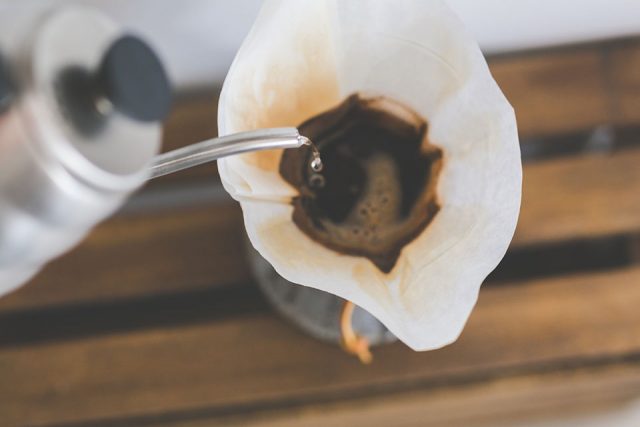
Five rules for brewing coffee and how to establish your own coffee style-"Coffee Taste"
Professional barista exchanges please pay attention to the coffee workshop (Wechat official account cafe_style) many coffee brewing methods or data can be adjusted according to each person's personal preference, experience and taste, but there are still some general principles in common in brewing coffee. Here are five points, called the "five rules for making coffee" ~ 1. Fresh coffee beans 2. Right
Coffee brewing standard what kind of water should be used to make coffee?
Just as water is important for making tea, it is also essential for extracting coffee. There are many kinds of water, which can be divided into: natural water, including spring water, river water, well water, lake water and Rain Water, which are generally not suitable for coffee extraction. Artificially treated water includes tap water, distilled water, purified water, ultra-pure water, softened water, etc., in which we make handmade utensils, such as siphon